






A damp basement rarely stays a small problem for long. What begins as a musty smell, minor seepage, or a damp corner can gradually turn into mould growth, foundation deterioration, damaged belongings, and costly repairs.
For homeowners in Toronto and Hamilton, basement water intrusion is especially common due to seasonal rainfall, aging housing stock, clay-heavy soils, and freeze-thaw cycles that place constant pressure on foundation walls.
When researching solutions, one question comes up repeatedly:
Should you choose interior or exterior basement waterproofing?
If you are looking for the short answer, exterior basement waterproofing is generally considered the more comprehensive long-term solution because it prevents water from reaching your foundation walls in the first place.
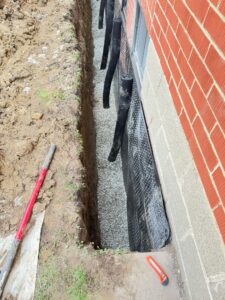
Interior waterproofing, on the other hand, is designed to manage water after it enters the foundation system and can be an effective option for minor seepage, moisture control, or situations where excavation is not practical.
For many homeowners in Toronto and Hamilton, the right choice depends on the severity of the water problem, the condition of the foundation, and plans for the property. In some cases, combining both methods provides the highest level of protection.
Understanding Why Basements Leak
Before comparing waterproofing methods, it helps to understand what causes basement water problems in the first place.
Many homeowners assume water enters through a single crack, but in reality, moisture issues are often the result of several contributing factors, including:
- Hydrostatic pressure around the foundation
- Cracks in foundation walls
- Aging or failed waterproofing systems
- Poor drainage around the property
- Clogged or damaged weeping tiles
- Improper grading
- High groundwater levels
- Freeze-thaw movement in the surrounding soil
Over time, water naturally seeks the path of least resistance. Once enough pressure builds against foundation walls, moisture can find its way through cracks, joints, and porous concrete.
The goal of basement waterproofing is to manage or eliminate that water before it causes damage.
What Is Interior Basement Waterproofing?
Interior basement waterproofing focuses on managing water after it enters the foundation system. Rather than stopping water outside the home, this approach redirects and controls moisture to keep the basement dry and usable.
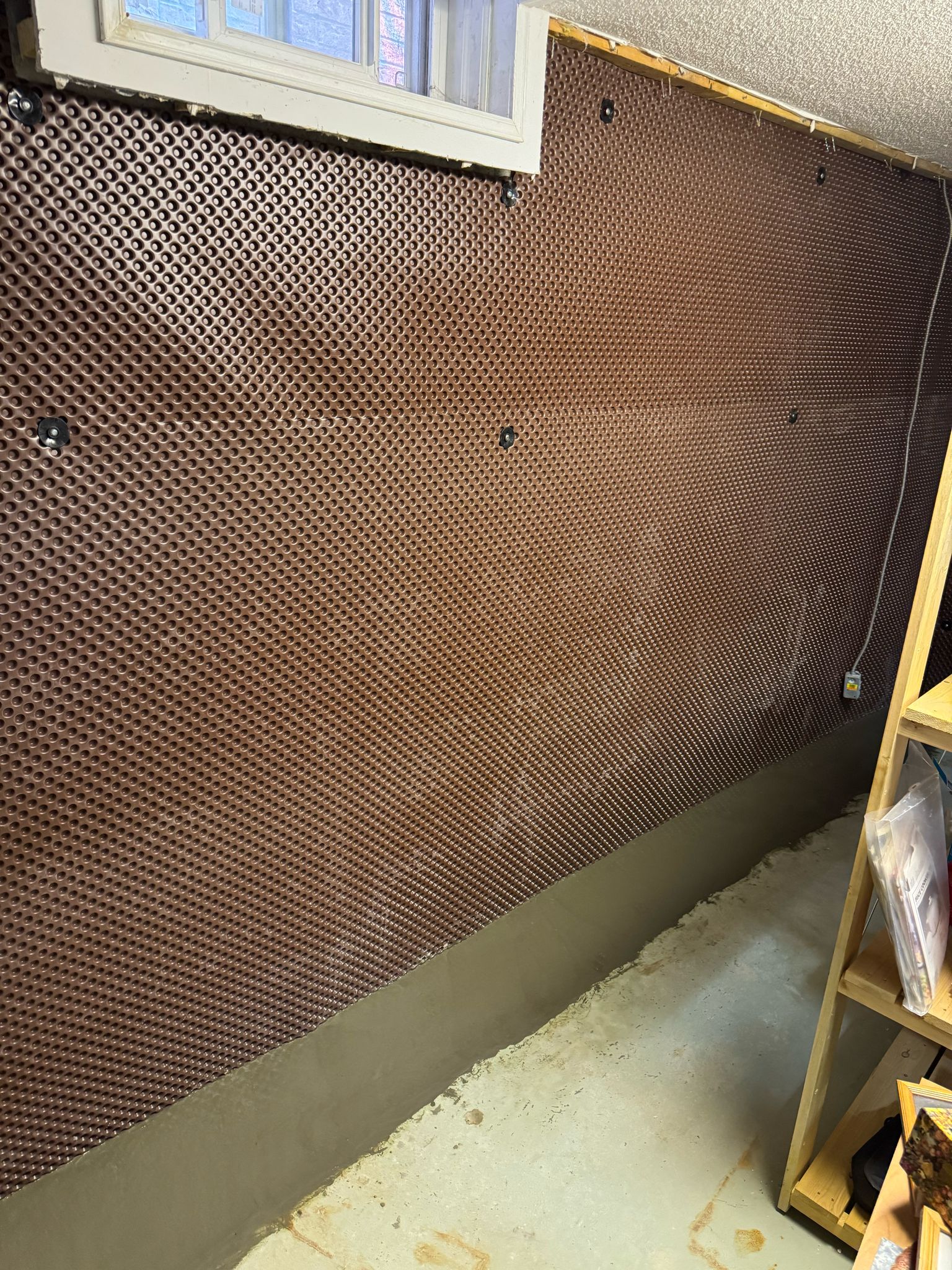
Common interior waterproofing methods include:
- Interior drainage systems
- Weeping tile installation along the basement perimeter
- Sump pump installation
- Vapour barriers
- Interior waterproof coatings
- Foundation crack injections
An interior drainage system typically collects water that enters around the foundation footing and channels it toward a sump pump, which then discharges the water safely away from the property.
Benefits of Interior Basement Waterproofing
Interior waterproofing offers several advantages:
- Lower upfront cost
- Faster installation
- Minimal disruption to landscaping
- Effective for managing minor seepage
- Suitable when excavation is impractical
For homes with limited access around the foundation, finished landscaping, attached garages, or neighbouring structures close to property lines, interior systems can be a practical solution.
Limitations of Interior Waterproofing
While effective in many situations, interior waterproofing does not eliminate the source of water intrusion.
Water may still enter foundation walls before being redirected.
As a result:
- Foundation walls remain exposed to moisture
- Hydrostatic pressure remains present
- Existing structural issues may continue to worsen
- Long-term foundation protection is limited
For homeowners dealing with recurring leaks or significant water infiltration, interior waterproofing alone may not be enough.
What Is Exterior Basement Waterproofing?
Exterior Basement Waterproofing addresses water before it reaches the foundation walls.
This method involves excavating soil around the home’s perimeter to expose the foundation. Once exposed, waterproofing materials are applied directly to the exterior surface.
A typical exterior waterproofing project may include:
- Excavation around foundation walls
- Crack repairs
- Exterior waterproof membrane installation
- Drainage board installation
- New or upgraded weeping tile systems
- Soil grading improvements
By preventing water from reaching the foundation itself, exterior waterproofing helps reduce hydrostatic pressure and protects the structural integrity of the home.
Benefits of Exterior Basement Waterproofing
Exterior waterproofing is often considered the most comprehensive waterproofing solution because it addresses the root cause of the problem.
Benefits include:
- Stops water before it enters
- Reduces hydrostatic pressure
- Protects foundation walls
- Long service life
- Helps prevent future structural damage
- Ideal for long-term property protection
For older homes throughout Toronto and Hamilton, where original waterproofing systems may have deteriorated, exterior waterproofing often provides the most reliable long-term results.
Limitations of Exterior Waterproofing
The primary drawbacks are cost and complexity.
Because excavation is required, exterior waterproofing typically involves:
- Higher labour costs
- Longer project timelines
- Temporary disruption to landscaping
- More extensive construction work
However, many homeowners view this as an investment in preventing significantly larger repair expenses in the future.
Interior vs Exterior Basement Waterproofing Comparison
| Factor | Interior Waterproofing | Exterior Waterproofing |
| Stops Water Before Entry | No | Yes |
| Addresses Hydrostatic Pressure | No | Yes |
| Typical Lifespan | 10–15 Years | 25+ Years |
| Upfront Cost | Lower | Higher |
| Installation Disruption | Minimal | Significant |
| Excavation Required | No | Yes |
| Foundation Protection | Moderate | High |
| Best For | Minor seepage and moisture issues | Recurring leaks and flooding |
| Maintenance Requirements | Moderate | Low |
| Long-Term Value | Good | Excellent |
| Suitable for Finished Basements | Often Yes | Depends on excavation access |
Key Takeaway
Interior waterproofing manages water that has already entered the foundation system, while exterior waterproofing focuses on preventing water from reaching the foundation in the first place. The best solution depends on the source of the problem, not simply the visible symptoms.
How We Determine Which Waterproofing Method Is Best
No two basements experience moisture issues for the same reason. Before recommending a solution, it’s important to identify where water is entering, why it’s happening, and whether there are underlying foundation concerns that need to be addressed.
When evaluating a basement waterproofing project, factors often include:
- The location and severity of water entry
- Foundation age and condition
- Existing drainage systems
- Soil conditions around the property
- Evidence of hydrostatic pressure
- Planned basement renovations
- Previous waterproofing repairs
At Royal Work, waterproofing recommendations are based on identifying the source of the problem rather than simply treating visible signs of moisture. This approach helps homeowners invest in a solution that addresses both immediate concerns and long-term protection.
Which Waterproofing Method Is Better for Toronto and Hamilton Homes?
There is no universal answer because every property is different.
However, local conditions often influence the best choice.
What We Commonly See in Toronto Homes
Many Toronto homes were built decades ago and may still rely on aging drainage systems or waterproofing materials that have reached the end of their service life.
Common issues include:
- Deteriorated exterior waterproof membranes
- Foundation wall cracking from soil movement
- Older weeping tile systems that no longer drain efficiently
- Water infiltration after heavy rainfall events
These problems often become more noticeable during spring thaw periods or extended periods of rain.
What We Commonly See in Hamilton Homes
Hamilton homeowners frequently deal with moisture issues caused by changing soil conditions, aging foundations, and seasonal groundwater fluctuations.
Common warning signs include:
- Damp basement walls
- Water is collecting at the floor-wall joints
- Efflorescence on foundation surfaces
- Recurring seepage during wet seasons
In many cases, early intervention can prevent minor moisture issues from developing into larger structural concerns.
Common Basement Waterproofing Mistakes Homeowners Make
Many costly repairs begin with small issues that are ignored or misdiagnosed.
Common mistakes include:
- Assuming waterproof paint will solve active leaks
- Delaying foundation crack repairs
- Finishing a basement before addressing moisture issues
- Relying solely on a sump pump without improving drainage
- Ignoring signs of hydrostatic pressure
Addressing the source of water intrusion early is often far less expensive than repairing structural damage later.
When Underpinning Should Be Part of the Conversation
Homeowners planning a basement renovation, basement lowering project, or legal secondary suite often explore underpinning to create additional ceiling height and strengthen the foundation. Because foundation walls are already being exposed during this process, underpinning presents an ideal opportunity to upgrade exterior waterproofing and drainage systems at the same time.
- Lowering a basement
- Increasing ceiling height
- Addressing foundation settlement
- Preparing for major renovations
Because underpinning exposes foundation walls, it creates an ideal opportunity to install or upgrade exterior waterproofing systems at the same time.
For homeowners planning a basement renovation, rental suite conversion, or basement lowering project, combining underpinning with foundation waterproofing can provide long-term protection and structural stability.
How Long Does Basement Waterproofing Last?
The lifespan of a waterproofing system depends on the materials used, installation quality, and ongoing maintenance.
Generally:
- Interior drainage systems can perform well for 10–15 years or longer with maintenance.
- Sump pumps should be tested regularly and typically replaced every 7–10 years.
- Exterior waterproof membranes can often last 25 years or more when professionally installed.
Regular inspections remain important regardless of which waterproofing solution you choose.
Which Option Is Right for Your Home?
Interior Basement Waterproofing may be the right choice if:
- You have minor seepage issues
- You need a cost-effective solution
- Excavation is not practical
- You want a faster installation process
Exterior basement waterproofing may be the better choice if:
- Water intrusion is recurring
- Foundation walls show visible deterioration
- You want a long-term waterproofing solution
- You are planning foundation repairs or underpinning work
In some situations, the most effective approach is a combination of both systems. An exterior waterproof membrane can stop water at the source, while an interior drainage system and sump pump provide an additional layer of protection.
Contractor Insight: Why Waterproofing Projects Sometimes Fail
One of the most common issues seen during basement inspections is that previous repairs addressed the symptoms rather than the source of the problem.
For example, sealing a visible crack may temporarily reduce water entry, but if hydrostatic pressure continues building around the foundation, new leaks often develop elsewhere.
Projects that begin with a complete assessment of drainage conditions, foundation health, and water entry points tend to provide better long-term results than solutions focused on a single visible issue.
This sounds editorial while subtly positioning Royal Work as knowledgeable.
Final Thoughts
For homeowners comparing interior vs exterior basement waterproofing, the best choice depends on the source and severity of the water problem.
Interior waterproofing can be highly effective for managing minor seepage and moisture concerns, while exterior waterproofing provides a more comprehensive solution by preventing water from reaching the foundation.
In Toronto and Hamilton, where aging foundations, seasonal rainfall, and freeze-thaw cycles can all contribute to basement moisture issues, identifying the root cause of the problem is often the most important step.
Whether you’re dealing with occasional dampness, recurring leaks, or planning a basement renovation that includes underpinning, investing in the right waterproofing strategy today can help protect your home for years to come.
Frequently Asked Questions
1. Can interior and exterior basement waterproofing be used together?
Ans. Yes, in some situations combining both methods provides the highest level of protection. Exterior waterproofing helps prevent water from reaching the foundation, while interior drainage systems and sump pumps can provide backup protection if moisture enters the basement.
2. Does basement waterproofing increase home value?
Ans. Waterproofing can improve a home’s appeal to potential buyers by reducing the risk of water damage, mould growth, and foundation issues. It may also provide greater confidence during a home inspection, particularly in areas where basement moisture problems are common.
3. Can basement waterproofing help prevent mould growth?
Ans. Waterproofing can significantly reduce the moisture conditions that allow mould to develop. While waterproofing does not remove existing mould, controlling water intrusion and excess humidity can help prevent future growth and improve indoor air quality.
4. Is basement waterproofing necessary before finishing a basement?
Ans. In most cases, addressing moisture issues before finishing a basement is highly recommended. Installing drywall, flooring, and insulation over an unresolved water problem can lead to costly repairs if leaks or dampness develop later.
5. What are the first signs that a basement may need waterproofing?
Ans. Early warning signs often include musty odours, damp walls, water stains, efflorescence (white mineral deposits), foundation cracks, peeling paint, or small amounts of water appearing after heavy rain. Identifying these issues early can help prevent more extensive damage over time.